Blade
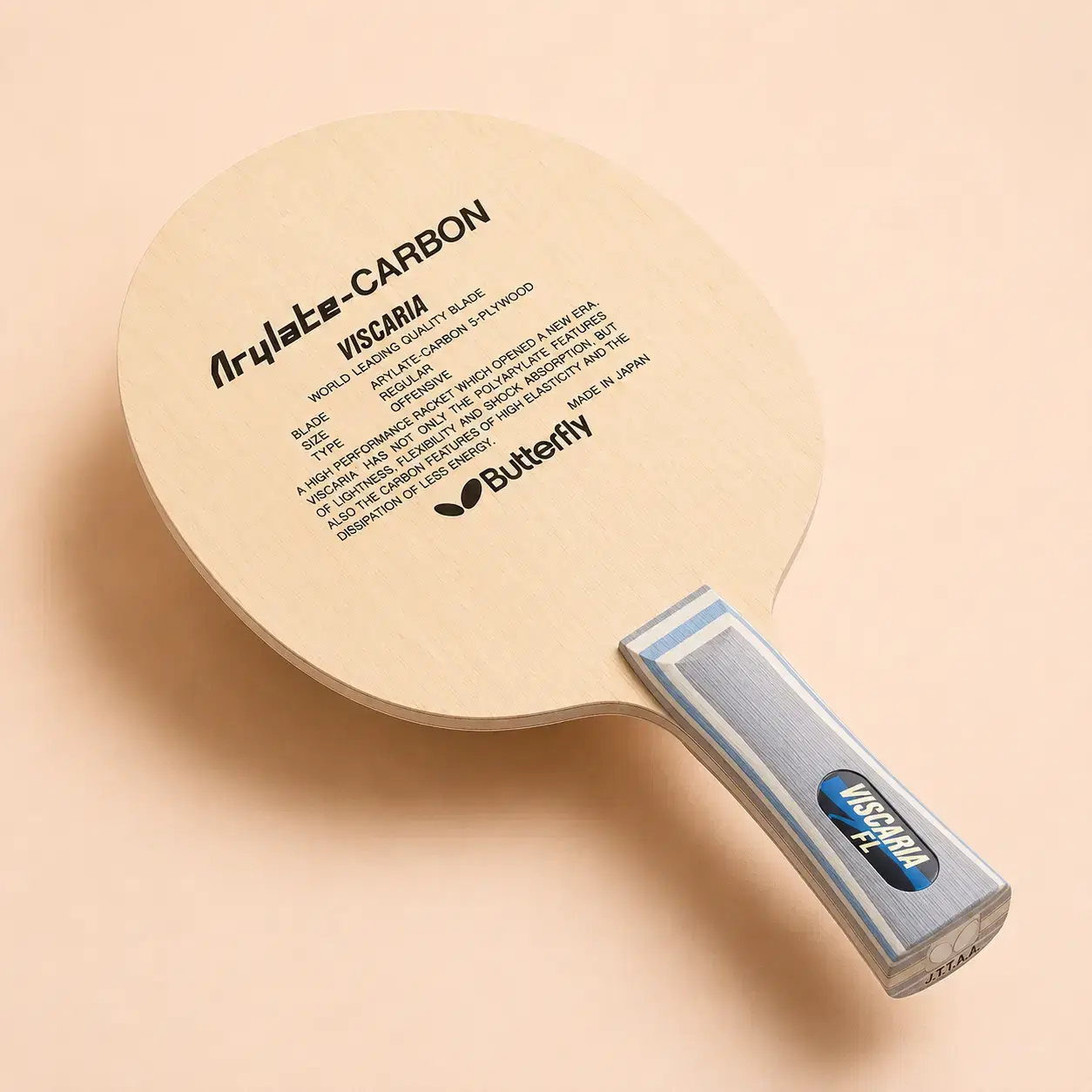
Butterfly Viscaria
₹12,449
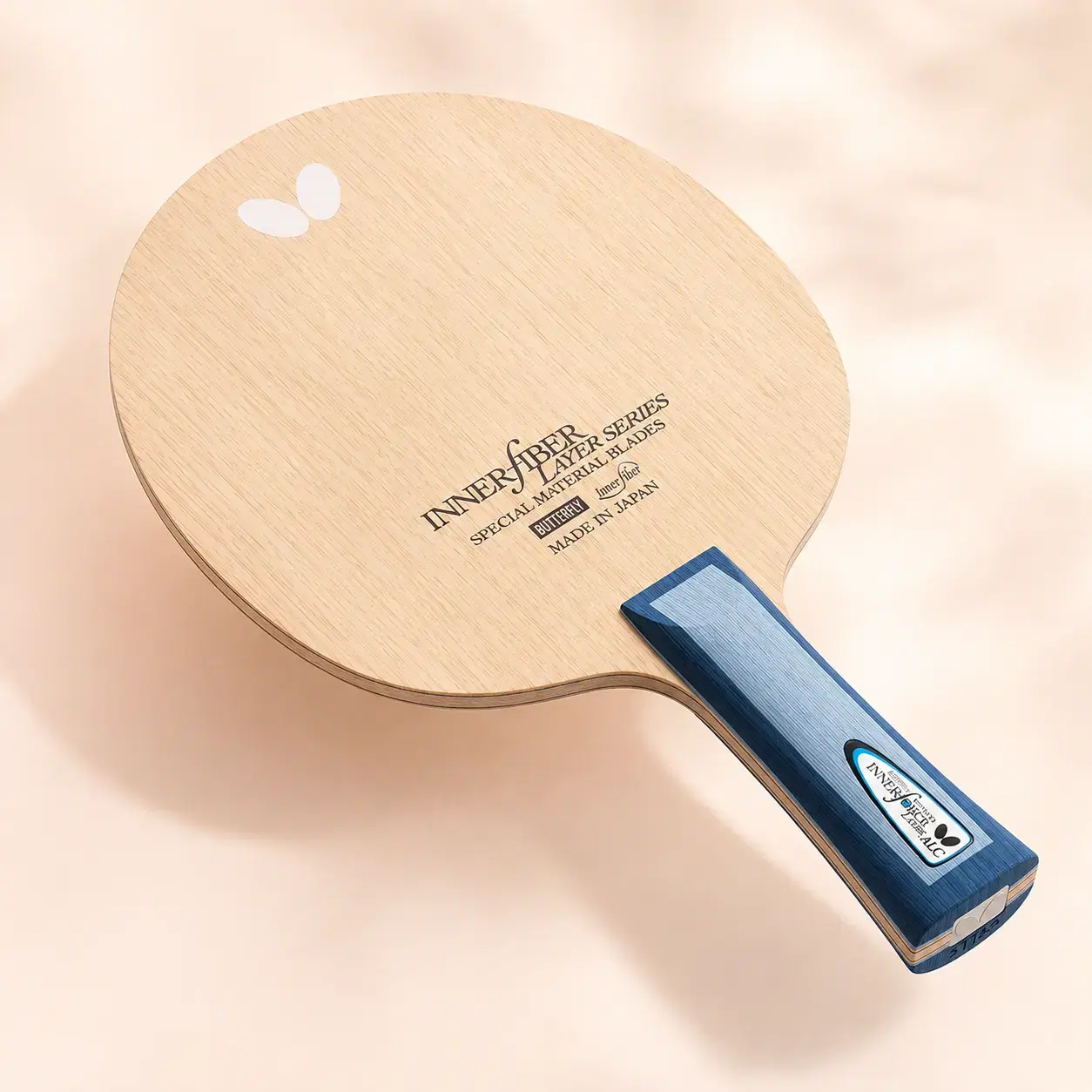
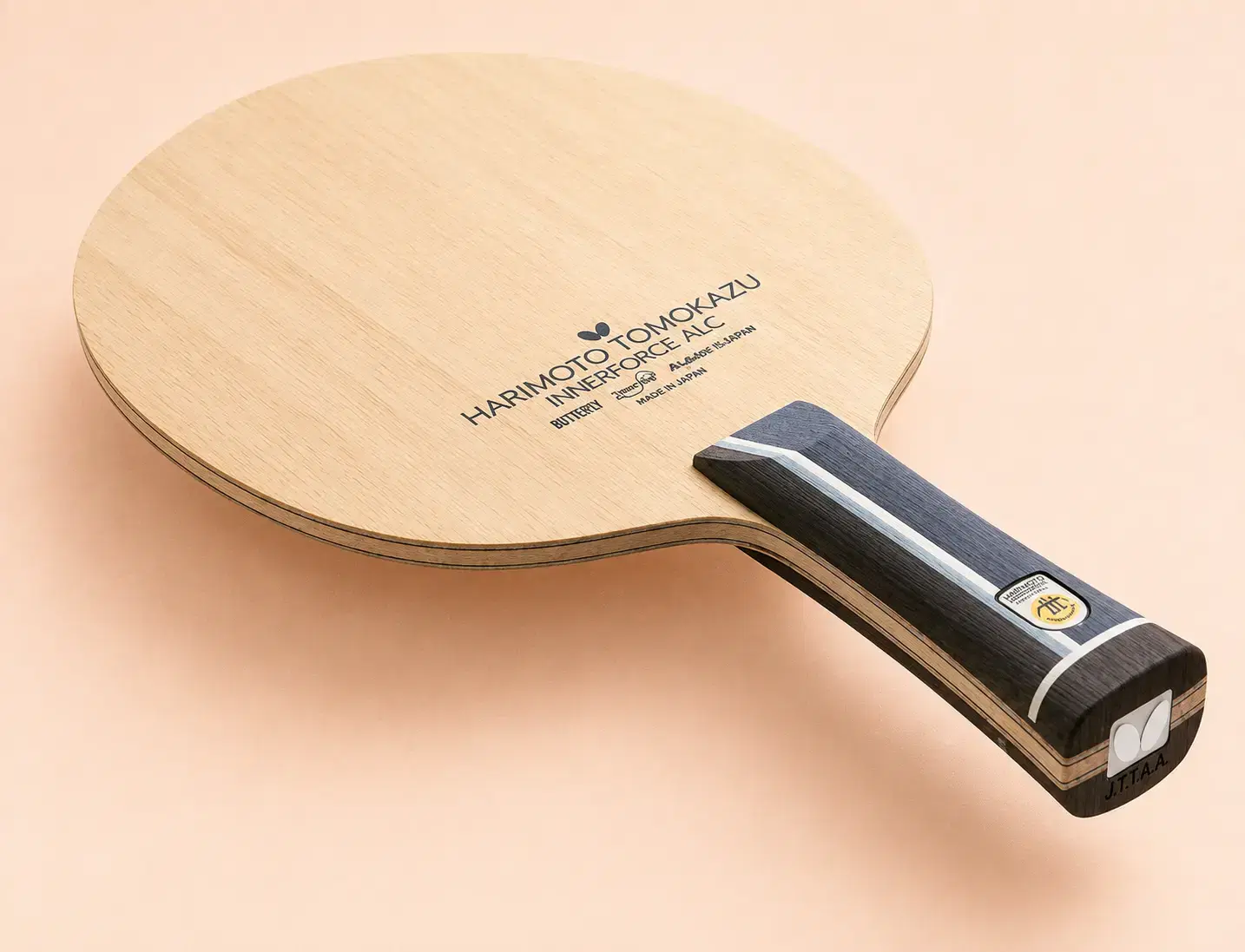
The control freak's carbon blade. Inner fiber means the ALC layers are buried inside the wood — you get carbon-level power, but the outer wood plies give a softer, more natural ball contact. Exceptional control with hidden acceleration. Best for intermediate to advanced players who want carbon performance without the harsh, stiff feel of outer carbon. Perfect for backhand loopers, two-winged all-round players, and anyone building confidence with carbon. Medium-high throw is very forgiving. Great pairing: Dignics 05 FH and Rozena or Rakza 7 BH. If carbon blades have felt too rigid before, start here.
Intermediate to advanced players moving into carbon who want a forgiving, dwell-oriented blade for controlled topspin. Its inner ALC placement suits backhand loopers, two-winged attackers, and all-round offensive players who vary between opening, blocking, and countering rather than hitting every ball at maximum speed. It is especially useful for a player whose technique is becoming reliable but who still values wood-like feedback in the short game.
Players who want an immediate outer-carbon rebound, a very low trajectory, or maximum finishing speed from compact strokes. The Innerforce Layer ALC asks you to engage the blade with a complete swing before its carbon reserve appears. Complete beginners may still find it too fast for learning basic contact, while advanced power attackers may prefer a stiffer or more direct blade.
Buyer questions
Practical answers about how this blade behaves in real points, rallies, and match situations.
The Arylate-Carbon layers sit closer to the core instead of directly beneath the outer plies. On softer or shorter contact, the outer wood gives a calmer, more natural feel; when you accelerate harder, the inner ALC contributes stability and power. That creates a wider transition between control and attack than a blade that rebounds at full speed on every contact.
It is one of the more sensible carbon bridges for an intermediate player because it does not feel as abrupt as many outer-carbon blades. You still need consistent timing and an active stroke, but the medium-high throw and inner-fiber contact give more room to learn racket angle, opening loops, and controlled counters. It is not a beginner blade in the basic-training sense; it is a developmental blade for someone whose strokes are already taking shape.
It suits a backhand built around topspin, compact opening, and active blocking. The outer wood helps the player feel the ball during a flick or opening loop, while the carbon reserve supports a firmer counter when the rally speeds up. A softer rubber such as Rozena makes the backhand easier to control; a harder rubber such as Dignics 05 raises the ceiling but demands more acceleration.
Yes, provided the player swings through the ball. The blade is not designed to launch a deep ball from a half-hearted stroke, but its inner ALC layers become more noticeable as impact increases. A grippy, medium-hard rubber and a complete body-driven loop can produce substantial depth while retaining more arc and touch than a very stiff outer-carbon setup.
Choose it when you want more dwell, a softer first contact, and a gentler route into carbon. Viscaria is more immediate and naturally suited to early countering, while Innerforce Layer ALC gives the player more time to shape the opening ball and manage the short game. If your points are built around patient spin creation, backhand development, and varied transitions, Innerforce is the more sympathetic choice.
Continue exploring
Handpicked for you based on this product