Blade
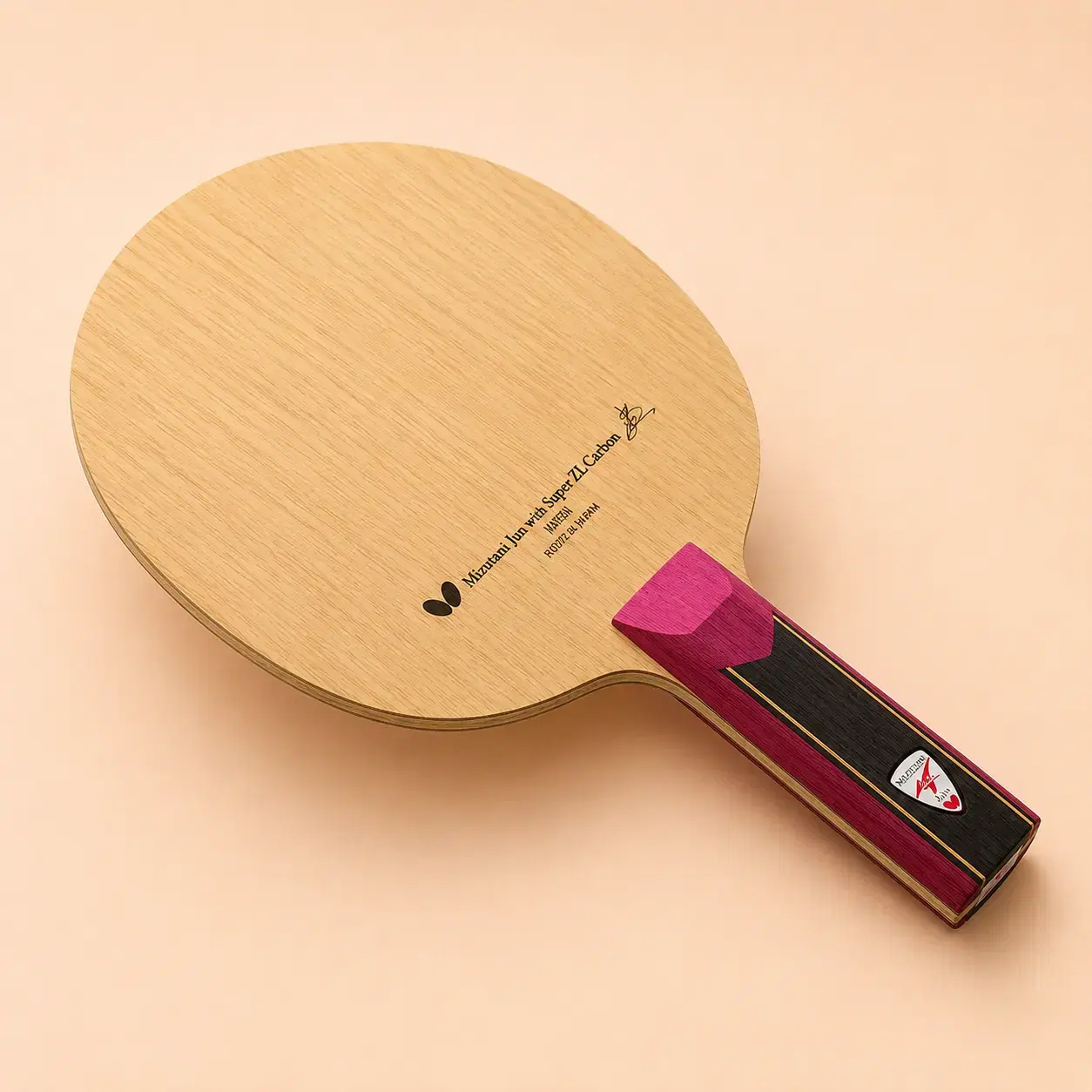
Butterfly Jun Mizutani ZLC
₹16,499
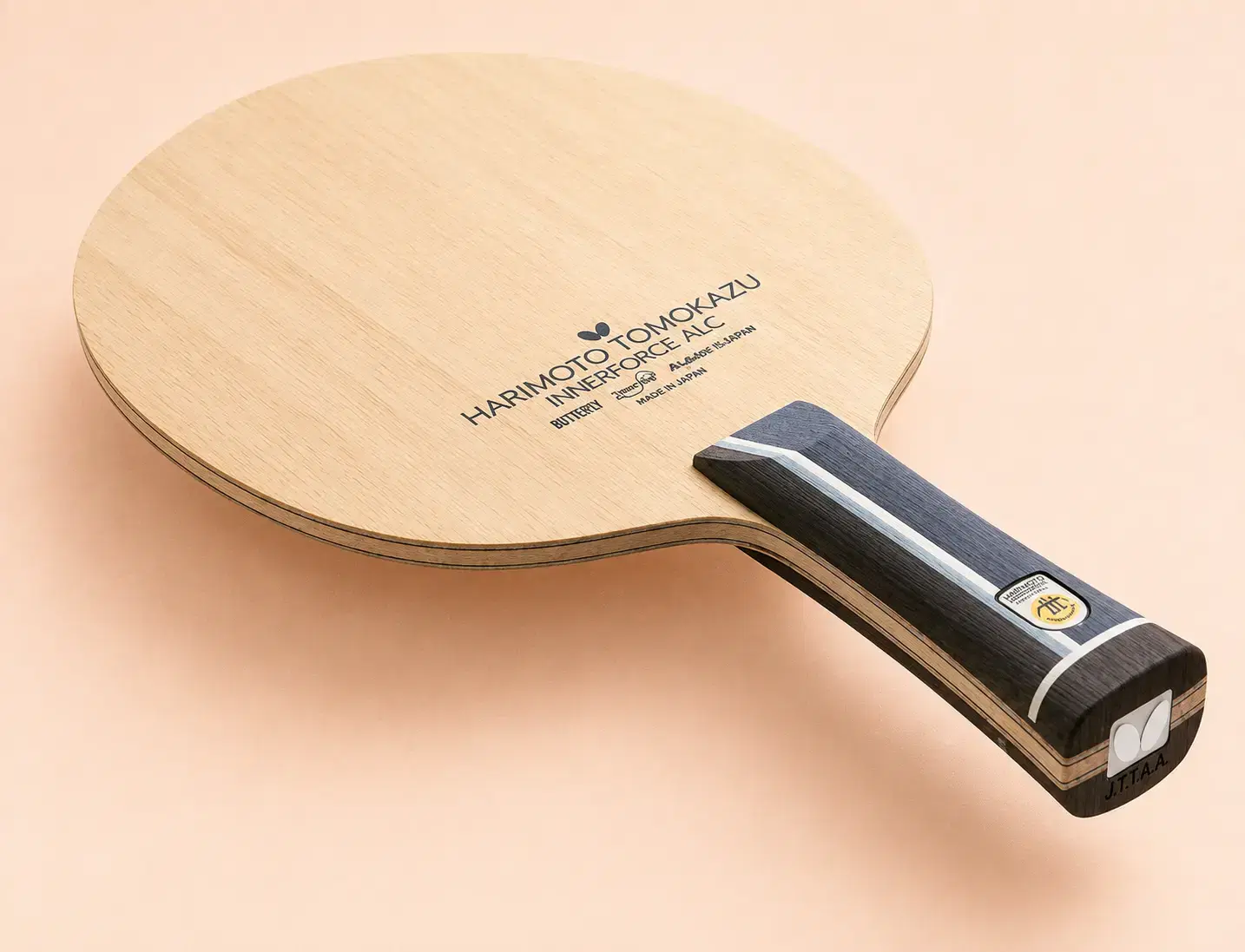
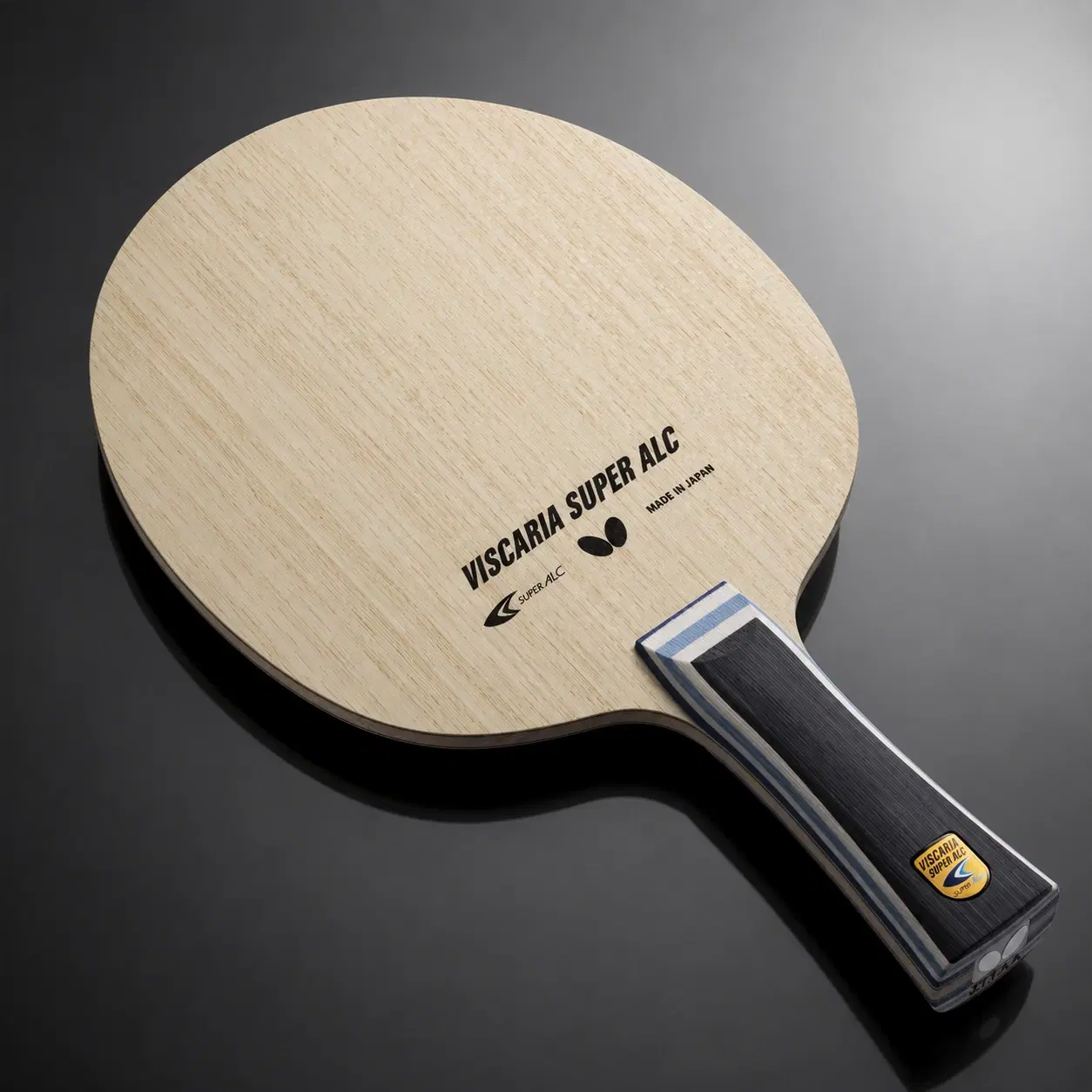
Built for Harimoto's explosive close-to-table style. Same inner ALC philosophy as the Innerforce Layer but tuned for faster, more reactive play near the table. Short, compact backhand loops and fast flicks explode off this blade with authority. The crisp feedback tells you exactly where every ball is going — great for players who react quickly and punish any loose ball near the table. Best for advanced aggressive players who stay close, use fast footwork, and counter-attack relentlessly. Excellent touch on delicate shots combined with serious power on attacks. Advanced level only.
Advanced close-to-table attackers who take the ball early and build pressure through fast footwork, compact backhand loops, flicks, and quick counter-attacks. The Harimoto Tomokazu Innerforce ALC is for a player who wants the dwell and touch of inner ALC but a more reactive transition than the standard Innerforce Layer ALC. It suits an aggressive two-winged game that wins time rather than waiting for a large backswing.
Beginners, passive blockers, and players who rely on long, slow swings from mid-distance to generate all their spin. Its faster close-table response can feel too sharp when contact is late or the racket angle is loose. Players who want a very soft, high-arc developmental blade should choose a slower all-wood or more flexible inner-carbon model first.
Buyer questions
Practical answers about how this blade behaves in real points, rallies, and match situations.
Both use an inner ALC construction, but the Harimoto model is tuned toward a faster and more reactive close-to-table game. It rewards early contact, compact backhand acceleration, and quick transitions, while the standard Innerforce Layer ALC is calmer and more broadly forgiving. Choose Harimoto when taking time away is central to your game, not simply because you want an inner-carbon blade.
Yes. The blade is especially natural for a player who receives short, moves forward quickly, and turns a flick or compact opening into the first attacking ball. The inner ALC gives some touch on the short stroke, but once the player accelerates the response becomes crisp and quick. Good wrist control and precise spin reading remain essential because the blade will not hide a loose receive.
It can, but its strongest identity is closer to the table. From mid-distance, the player needs a full stroke and enough rubber power to engage the blade; a compact defensive swing may leave the ball short. If your game naturally retreats and loops with a long arc, standard Innerforce Layer ALC or a more flexible blade will usually give more time and dwell.
A grippy offensive rubber such as Dignics 05 or Tenergy 05 can give the forehand enough arc and spin for opening, while a direct rubber such as Dignics 64 can make the backhand fast and decisive. Softer rubbers can improve touch for an intermediate player, but the intended setup rewards an advanced player who wants to move from receive to counter-attack immediately.
Only for an intermediate player with unusually reliable early timing and footwork. The model is less about forgiving a developing stroke and more about rewarding a player who already knows how to take the ball at the right height. If your current priority is building basic loop mechanics or learning to control incoming spin, a slower blade will make the learning process clearer.
Continue exploring
Handpicked for you based on this product